issa
IAEA experts begin review of Rwanda’s readiness for Nuclear Power Plant Development

IAEA experts begin review of Rwanda’s readiness for Nuclear Power Plant Development

Mar 4, 2026 - 12:59
 0

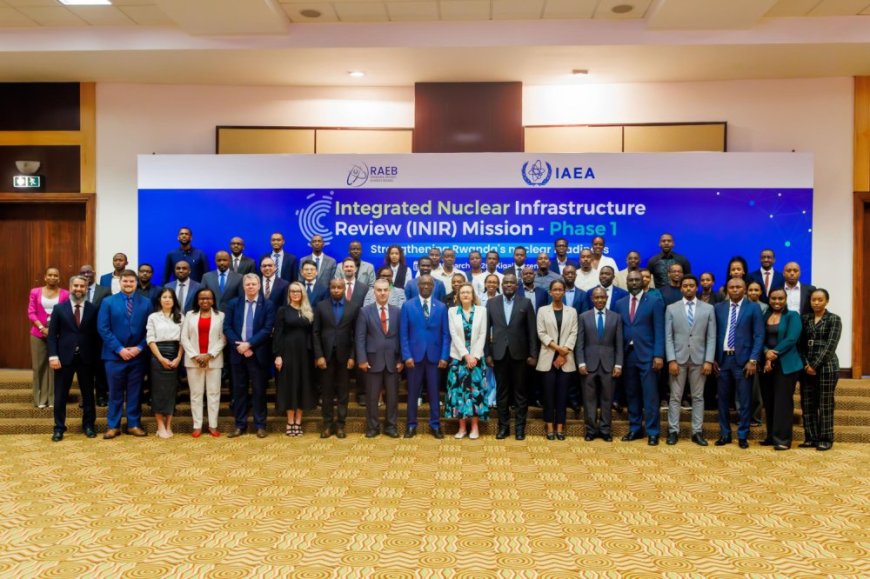
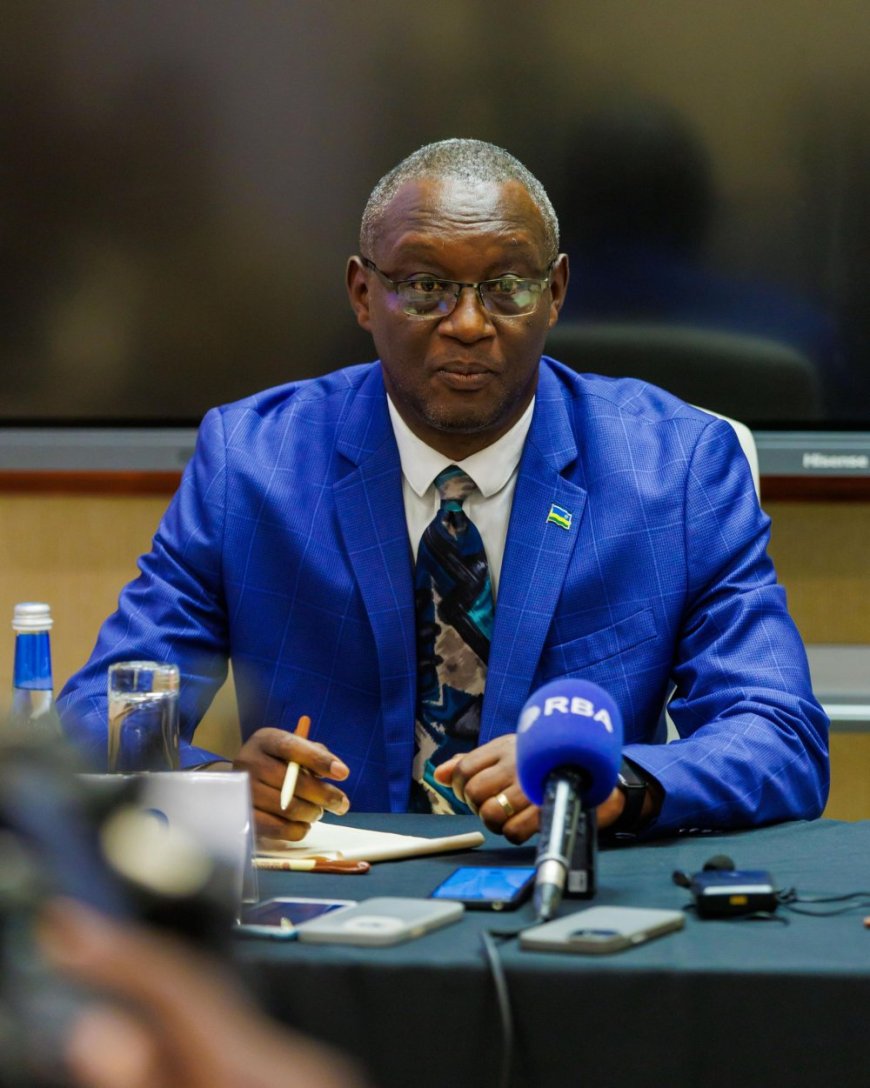
The International Atomic Energy Agency (IAEA) has officially launched a comprehensive review to assess Rwanda’s preparedness to develop a nuclear power plant, marking a significant milestone in the country’s long-term energy strategy.


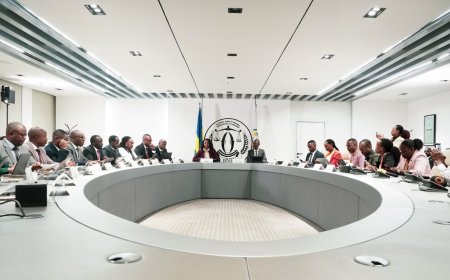
The evaluation began on March 2, 2026, and is scheduled to conclude on March 9, 2026. During this week-long mission, a team of international nuclear experts is examining whether Rwanda meets the necessary requirements to proceed with nuclear energy development.

The review focuses on 19 key infrastructure issues that guide countries seeking to introduce nuclear power. Among the major areas under assessment are: Rwanda’s national policy and legal framework for nuclear energy, Financial readiness and funding strategies for plant construction, Regulatory structures and safety mechanisms, Environmental protection and emergency preparedness capacity and Human resource development and technical expertise.

Officials emphasized that this process is critical for identifying strengths and areas requiring improvement before moving to the next development phase.

“We want them to evaluate us based on the 19 established criteria to determine how prepared Rwanda is,” an official noted. “We are confident that the assessment will go well and help us move into the second phase once the foundational requirements are confirmed.”

The government believes that a positive review will enhance Rwanda’s credibility on the international stage and improve its ability to secure financial and technical support for the project.

The expert team is led by Aline des Cloizeaux from the IAEA. She clarified that the mission is not intended to approve or reject Rwanda’s nuclear ambitions.

Instead, the team’s role is to provide technical advice and identify areas that require strengthening. The final decision to proceed with nuclear plant construction remains the responsibility of the Rwandan government.

Rwanda’s vision for Nuclear Energy by 2030

Rwanda aims to commission its first nuclear power plant by 2030 as part of efforts to diversify energy sources and meet growing electricity demand.

In 2023, Rwanda signed an agreement with Dual Fluid Energy Inc. to pilot advanced nuclear reactor technology in the country.

The government has also partnered with institutions from Russia and the United States to explore the development of Small Modular Reactors (SMRs).

SMRs are compact nuclear reactors capable of generating approximately 100 megawatts of electricity or less. These facilities typically occupy between 15 and 50 hectares, require around 230 personnel, and can be deployed in remote locations.

According to research by the World Nuclear Association, nuclear energy significantly reduces carbon emissions, preventing approximately 29 tonnes of CO₂ per gigawatt-hour (GWh) of electricity produced.

The ongoing IAEA review represents a pivotal step in Rwanda’s transition toward clean, reliable, and large-scale energy production. If successful, it will pave the way for further phases of development and strengthen Rwanda’s position as an emerging player in advanced energy technology in Africa.

 

IAEA experts begin review of Rwanda’s readiness for Nuclear Power Plant Development

Mar 4, 2026 - 12:59
Mar 4, 2026 - 12:59
 0
IAEA experts begin review of Rwanda’s readiness for Nuclear Power Plant Development

The International Atomic Energy Agency (IAEA) has officially launched a comprehensive review to assess Rwanda’s preparedness to develop a nuclear power plant, marking a significant milestone in the country’s long-term energy strategy.


The evaluation began on March 2, 2026, and is scheduled to conclude on March 9, 2026. During this week-long mission, a team of international nuclear experts is examining whether Rwanda meets the necessary requirements to proceed with nuclear energy development.

The review focuses on 19 key infrastructure issues that guide countries seeking to introduce nuclear power. Among the major areas under assessment are: Rwanda’s national policy and legal framework for nuclear energy, Financial readiness and funding strategies for plant construction, Regulatory structures and safety mechanisms, Environmental protection and emergency preparedness capacity and Human resource development and technical expertise.

Officials emphasized that this process is critical for identifying strengths and areas requiring improvement before moving to the next development phase.

“We want them to evaluate us based on the 19 established criteria to determine how prepared Rwanda is,” an official noted. “We are confident that the assessment will go well and help us move into the second phase once the foundational requirements are confirmed.”

The government believes that a positive review will enhance Rwanda’s credibility on the international stage and improve its ability to secure financial and technical support for the project.

The expert team is led by Aline des Cloizeaux from the IAEA. She clarified that the mission is not intended to approve or reject Rwanda’s nuclear ambitions.

Instead, the team’s role is to provide technical advice and identify areas that require strengthening. The final decision to proceed with nuclear plant construction remains the responsibility of the Rwandan government.

Rwanda’s vision for Nuclear Energy by 2030

Rwanda aims to commission its first nuclear power plant by 2030 as part of efforts to diversify energy sources and meet growing electricity demand.

In 2023, Rwanda signed an agreement with Dual Fluid Energy Inc. to pilot advanced nuclear reactor technology in the country.

The government has also partnered with institutions from Russia and the United States to explore the development of Small Modular Reactors (SMRs).

SMRs are compact nuclear reactors capable of generating approximately 100 megawatts of electricity or less. These facilities typically occupy between 15 and 50 hectares, require around 230 personnel, and can be deployed in remote locations.

According to research by the World Nuclear Association, nuclear energy significantly reduces carbon emissions, preventing approximately 29 tonnes of CO₂ per gigawatt-hour (GWh) of electricity produced.

The ongoing IAEA review represents a pivotal step in Rwanda’s transition toward clean, reliable, and large-scale energy production. If successful, it will pave the way for further phases of development and strengthen Rwanda’s position as an emerging player in advanced energy technology in Africa.