 Kinyarwanda
 English
 Swahili

























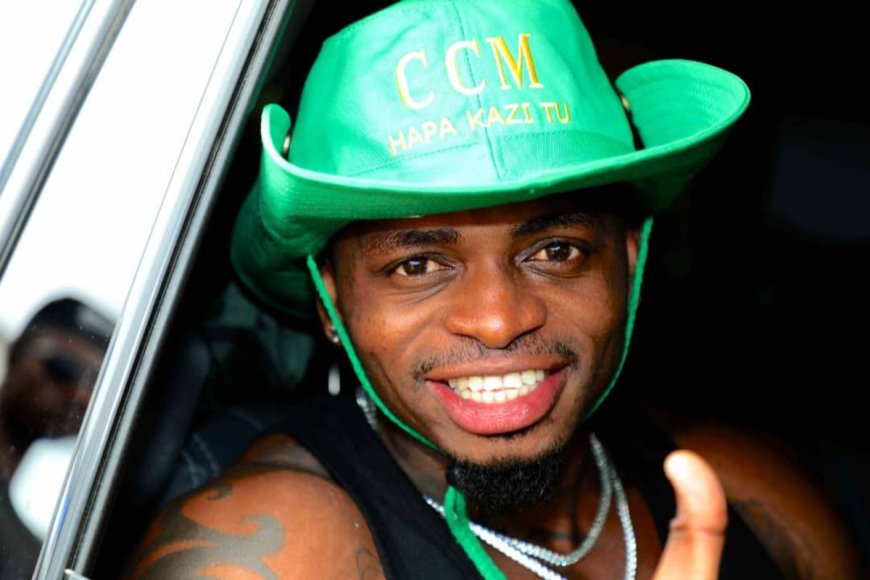
Diamond Platnumz Deletes Pro-Samia Posts amid Rising Unrest in Tanzania

Tanzanian music icon Diamond Platnumz has deleted all pro-Samia Suluhu campaign videos from his social media amid escalating protests, internet shutdowns, and a widening government crackdown on opposition voices. The unrest, marked by curfews and censorship, has raised serious concerns about democracy and freedom of expression in Tanzania.

Tanzanian music star Diamond Platnumz has deleted all recent videos from his social media platforms, including Instagram, where he had publicly supported President Samia Suluhu Hassan and the ruling CCM Party.
President Suluhu’s administration has faced mounting criticism for what rights groups describe as a shrinking democratic space, citing arbitrary arrests, disappearances, and intimidation of opposition figures. The unrest has prompted authorities to impose an indefinite dusk-to-dawn curfew in Dar es Salaam, leaving millions disconnected from the internet.
Diamond Platnumz, who has long been viewed as a national icon, had faced intense backlash from fans and activists for endorsing President Suluhu’s bid for re-election. Many accused him of aligning with an administration accused of stifling dissent.
He is not alone. Other leading artists including Ali Kiba, Harmonize, Nandy, Zuchu, and Rayvanny have also voiced support for President Suluhu, praising her leadership and development record. Their endorsements, often through songs, freestyles, and campaign-themed videos, have blended politics with pop culture, turning campaign slogans into viral challenges and fueling heated online debates.
Meanwhile, reports of human rights violations continue to surface, including allegations of torture, extrajudicial killings, and enforced disappearances. The government’s response including the internet blackout and censorship measures has raised alarms over the future of democracy and freedom of expression in the country.
In a recent statement, Information Minister Innocent Bashungwa warned Tanzanians against sharing social media content critical of President Suluhu, even if posted abroad, saying such acts could “disrupt national peace.” The directive has further inflamed tensions and drawn criticism from free-speech advocates.
As protests persist, observers say Tanzania stands at a critical crossroads between addressing the legitimate grievances of its citizens and tightening its grip on dissent. How the government responds in the coming days could define the country’s political and democratic trajectory for years to come.