 Kinyarwanda
 English
 Swahili













































Iran Signals It Will Not Reopen Strait of Hormuz Amid Ongoing Tensions

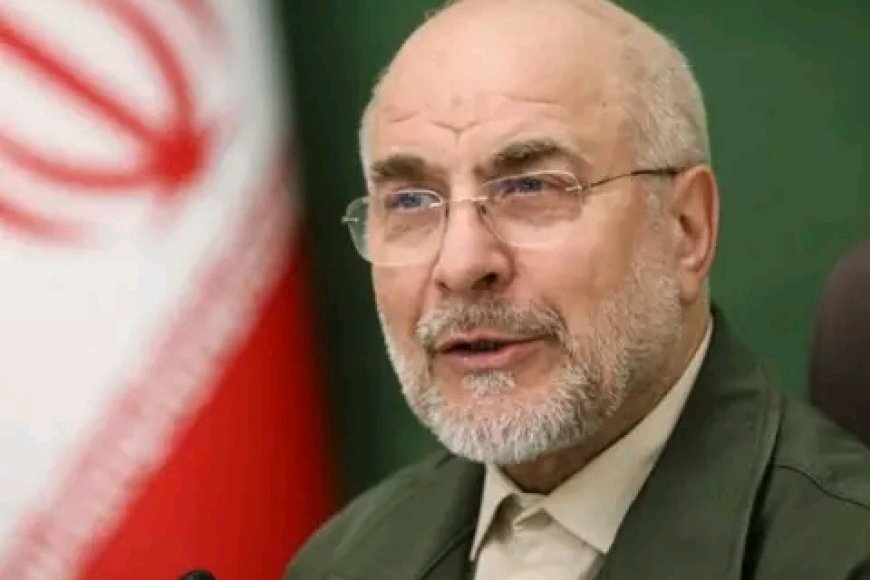
Iran’s senior official and representative in negotiations with the United States, Mohammad Bagher Ghalibaf, has stated that Iran does not plan to reopen the strategically vital Strait of Hormuz as long as opposing sides continue to violate ceasefire conditions.

According to his remarks, Iran maintains that any reopening of the waterway depends on full respect for agreed ceasefire measures by rival parties. The statement comes amid heightened geopolitical tensions in the region, where control and security of key maritime routes remain critical to global stability.
The closure of the Strait of Hormuz a narrow but crucial passage through which a significant portion of the world’s oil supply passes—has already had far-reaching consequences. Since Iran restricted access to the route, global oil markets have reacted sharply, with prices of petroleum products rising across international markets. Economists warn that prolonged disruption could lead to increased transportation costs, inflation, and economic pressure on both developed and developing countries.
Energy analysts emphasize that the Strait of Hormuz is one of the most important chokepoints in global trade, particularly for oil exports from the Middle East. Any sustained blockage or limitation of passage through the strait can significantly impact supply chains and global energy security.
The situation continues to draw international attention, with calls from various stakeholders urging restraint, dialogue, and adherence to ceasefire agreements to prevent further escalation. Observers note that reopening the strait would be a key step toward stabilizing oil prices and easing global economic uncertainty.
As diplomatic efforts continue, the world watches closely, given the potential impact of the crisis on energy markets and international relations.