 Kinyarwanda
 English
 Swahili








































Teachers Call for Stronger Professional Support and Reforms in Education System

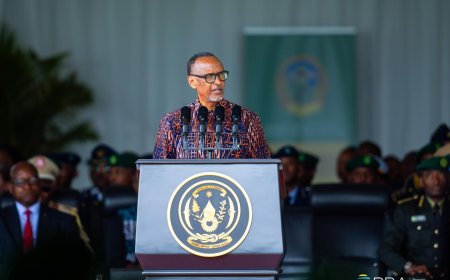
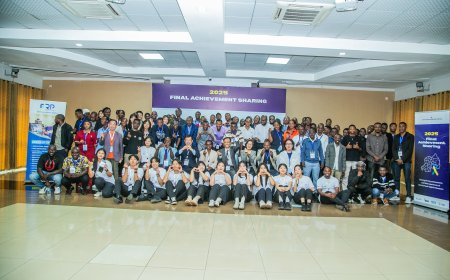
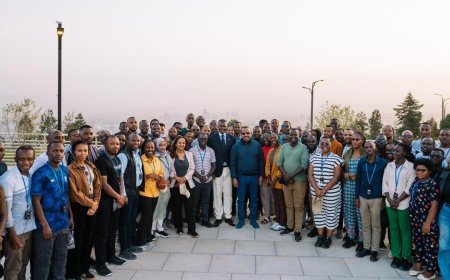
The annual national teacher forum held on July 31, 2025 brought together teacher representatives from across Rwanda for direct dialogue with the Ministry of Education and its affiliated institutions. The forum reaffirmed the government’s commitment to placing teachers at the center of education reforms and improving working conditions across the profession.

According to the Ministry of Education, Rwanda currently has more than 120,000 teachers nationwide. In the 2024/2025 academic year alone, 7,277 new teachers were recruited, reflecting continued government investment in education.
The national dialogue took place as the government prepares to roll out major reforms, including the introduction of three learning pathways in secondary schools to replace the current multiple combinations.
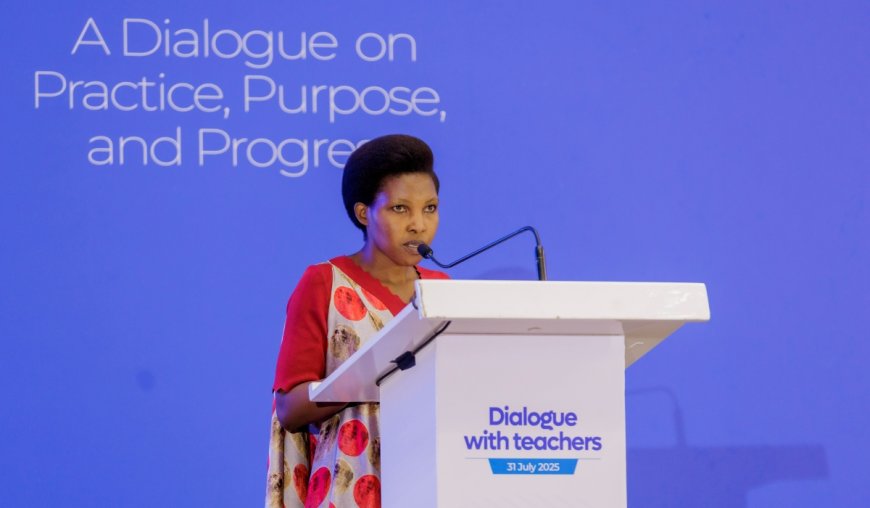
Speaking on behalf of teachers, Consolee Urayeneza, a primary school teacher at GS Kacyiru II, acknowledged several positive reforms. She commended the Ministry of Education for:
- Introducing digital recruitment exams, which allow candidates to sit for job tests online and receive their results instantly;
- Rolling out language proficiency training, especially in English, the official language of instruction;
- And implementing salary adjustments in recent years, even as she called for further reviews.
“We appreciate the Ministry’s efforts in modernizing teacher recruitment and supporting our growth through training,” Urayeneza said.
However, she emphasized that key challenges remain.
“When I joined the profession, my salary was Rwf20,000. We appreciate the increase. However, the cost of living has also risen significantly, and we request another review to align salaries with the current market prices.”
She added that initiatives like the school feeding program have led to a sharp rise in student enrollment, which, while encouraging, has created overcrowded classrooms.
“Despite thousands of classrooms built, overcrowding is still a major issue. Teachers struggle to give each learner enough attention, and that impacts performance,” she noted.
On professional development, she urged the Ministry to expand and accelerate the language training program to reach all teachers more quickly.
Meanwhile, teachers from TVET schools called for increased access to teaching materials and practical training, so their students are equipped to compete in both local and international job markets.
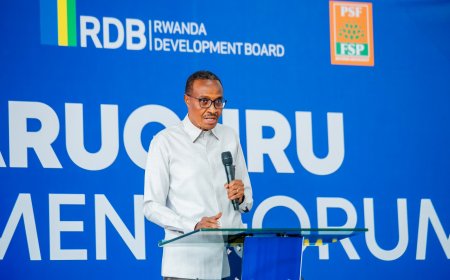
Other concerns raised included teacher placement and transfer limitations, with only 78 out of 272 applicants approved for transfers this year. Teachers also questioned why they are limited to receiving salaries through Umwalimu SACCO, instead of being allowed to use banks of their choice. Minister Joseph Nsengiyumva explained that the cooperative was created on President Kagame’s initiative, inspired by the military’s Zigama CSS, to strengthen teachers’ financial independence.
“It’s a structure where teachers are both members and beneficiaries,” he said. “It exists to support their economic empowerment.”
On promotions and evaluations, the Minister clarified that the probation period lasts nine months, after which performance is assessed. Teachers typically qualify for promotion after three years, once their contributions are measurable and sustainable.
“We thank our teachers for their tireless commitment,” said Minister Nsengiyumva. “While we celebrate progress, we also acknowledge what still needs to be done and commit to addressing it together.”
The forum ended with a collective appeal for deeper collaboration, sustained reforms, and greater investment in teacher capacity seen as critical to improving learning outcomes nationwide.