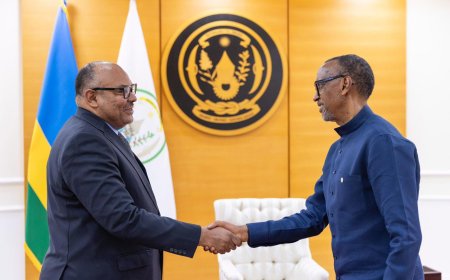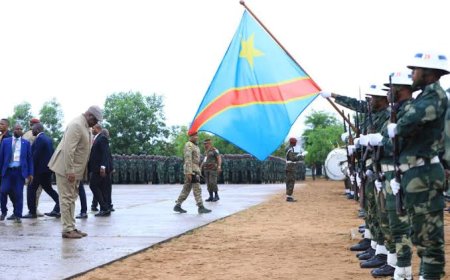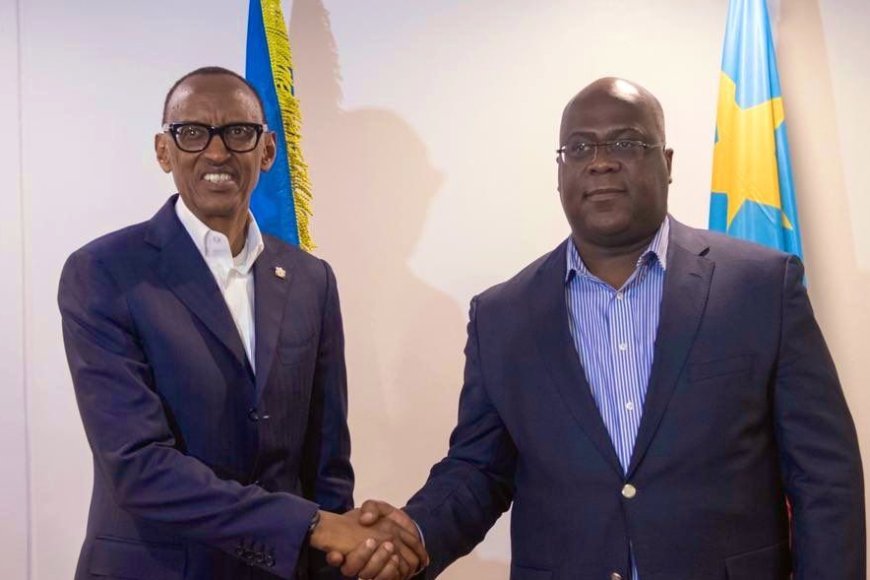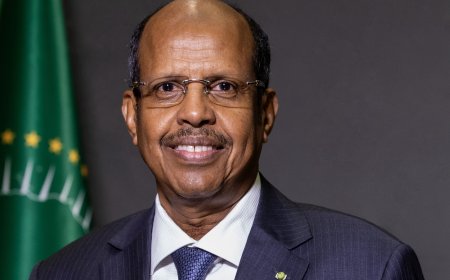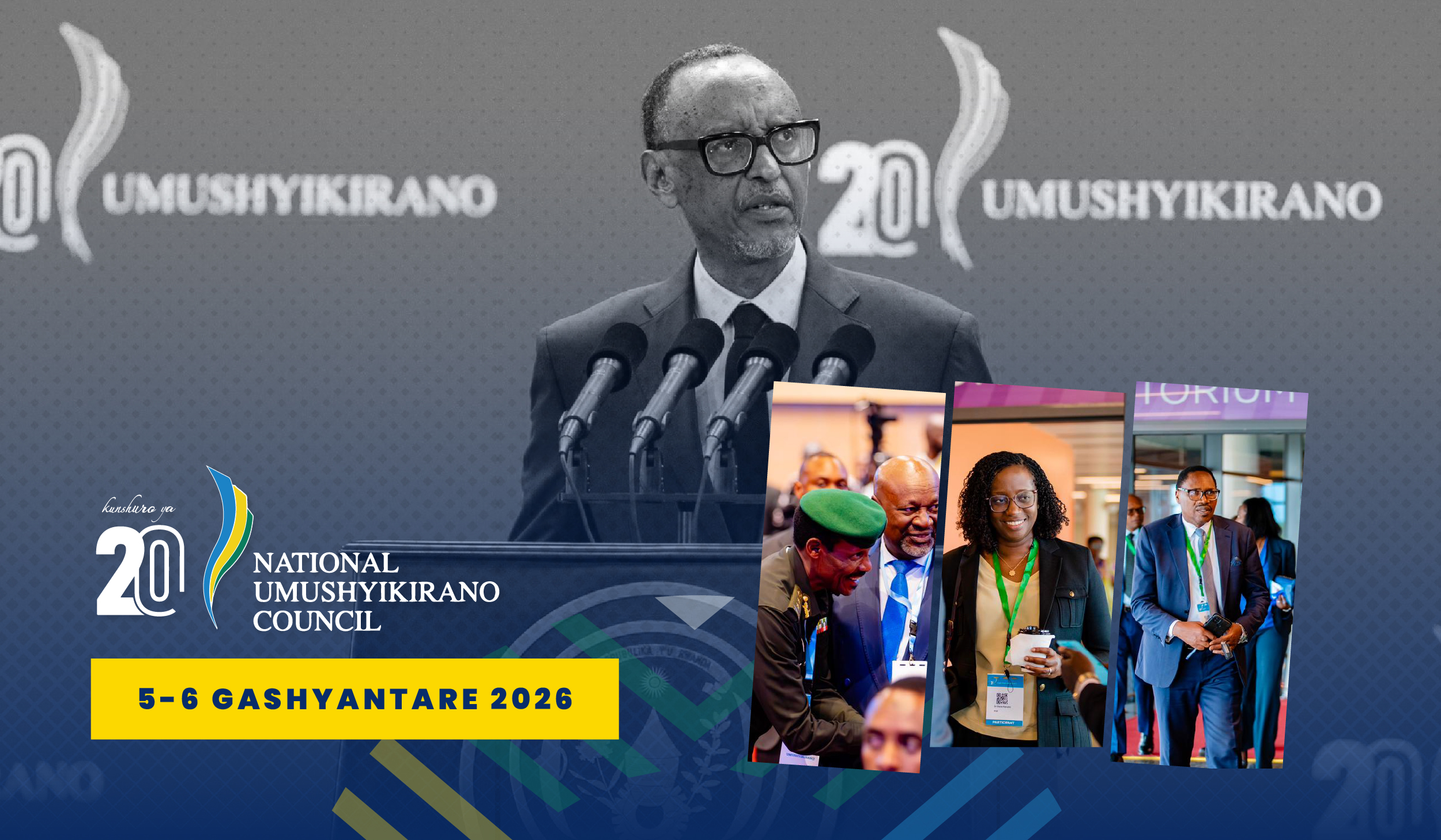

Rwanda’s President Paul Kagame and the President of the Democratic Republic of Congo, Félix Tshisekedi, are scheduled to meet in Washington, DC, on December 4, 2025, for a high-level summit focused on signing a peace agreement aimed at ending the tense relations between the two countries.
The meeting is organized in collaboration with the United States, which is taking a lead role in efforts to stabilize the Great Lakes Region, particularly in the Kivu provinces where insecurity continues to affect civilians and alarm the international community.
According to American diplomatic sources, the meeting seeks to create a framework for a formal peace agreement between Kigali and Kinshasa, address the ongoing issue of armed groups fighting in eastern DRC, eliminate actions that undermine regional security efforts, and support the implementation of a new economic cooperation initiative between the two sides. The United States has pledged to continue providing support, guidance, and diplomatic engagement throughout the peace process to help achieve sustainable stability.
This summit was initially scheduled for November but was postponed at the last minute, raising questions about whether both parties were ready to reach a decisive outcome. However, following separate discussions with U.S. officials, Rwanda and the DRC agreed to reconvene with a new date of December 4, 2025.
President Kagame has recently stated that peace is possible “as long as all parties demonstrate genuine political will,” while President Tshisekedi maintains that the DRC “desires peace but will not accept any agreement that compromises its sovereignty.” These contrasting statements highlight the gap that still exists between the two countries, while also showing that a door remains open for dialogue.
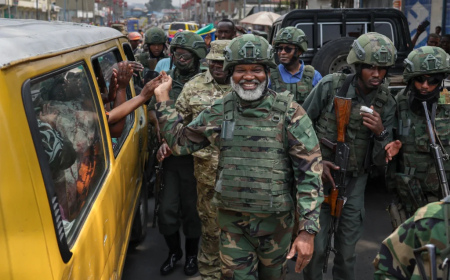
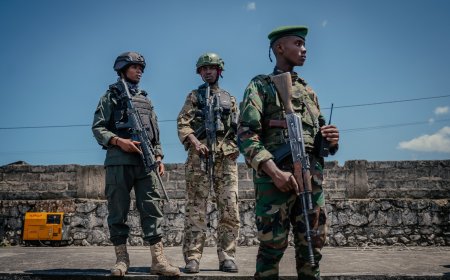
Despite the renewed optimism surrounding the Washington summit, analysts warn that several challenges could complicate the process. Fighting between the FARDC and various armed groups, including M23, is still ongoing in several areas of eastern Congo. There are concerns that any peace agreement may once again fail to be implemented, as has happened with previous accords. In addition, the competing political and economic interests of various foreign actors operating in Congo’s mineral-rich regions could also obstruct progress.
Even with these challenges, many observers believe the Washington meeting could become a historic opportunity to restore relations and reduce insecurity in the region. The real impact, however, will depend entirely on how faithfully both Rwanda and the DRC commit to enforcing the terms of whatever agreement is reached.


Kinyarwanda
English
Swahili