 Kinyarwanda
 English
 Swahili


































Artificial Intelligence and Intellectual Property: Who Owns AI-Generated Creations?

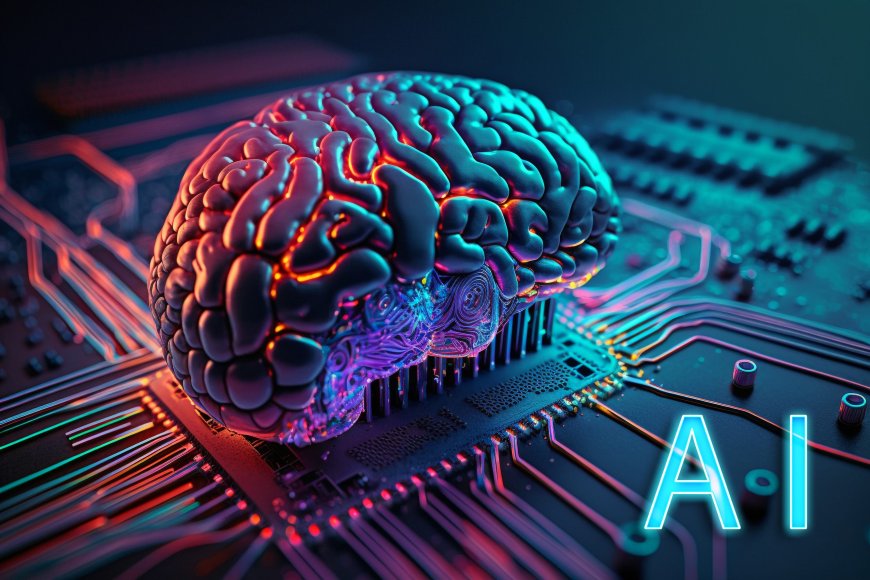
The rise of Artificial Intelligence (AI) challenges the foundation of intellectual property (IP) law, which traditionally ties ownership to human creativity and inventiveness.

Proponents of recognizing AI as an inventor argue that the law must evolve to reflect technological realities.
As AI systems independently generate inventions and creative works, denying them inventorship could stifle innovation and obscure accountability.
In the DABUS cases (Thaler v Comptroller-General of Patents, Designs and Trade Marks [2021] EWCA Civ 1374; Thaler v Commissioner of Patents [2021] FCA 879), the AI system “DABUS” was listed as the inventor for two patent applications.
The applicant, Dr. Stephen Thaler, argued that DABUS autonomously generated the inventions. Although courts in the UK, US, and EPO rejected AI inventorship, South Africa became the first country to grant a patent naming DABUS as inventor (Patent No. 2021/03242, CIPC 2021), signalling a progressive interpretation of inventorship.
Conversely, critics contend that recognizing AI as an inventor undermines fundamental IP principles, as AI lacks legal personality, moral intent, and the capacity to hold or enforce rights.
The US Copyright Office reaffirmed this in Re: Zarya of the Dawn (2023), denying copyright protection to AI-generated artwork lacking human authorship.
Similarly, the European Patent Office (EPO) in J 8/20 and J 9/20 held that an inventor must be a natural person.
A balanced approach could assign ownership to the AI’s developer, user, or data owner, reflecting human contribution and control.
This ensures continued innovation incentives while preserving public interest. The future of AI and IP will depend on whether legal frameworks evolve to recognize collaborative creativity where human ingenuity and machine intelligence coalesce to produce protectable outputs.