 Kinyarwanda
 English
 Swahili







































US–Iran Talks Collapse in Pakistan as Tensions Escalate Over Ongoing Conflict

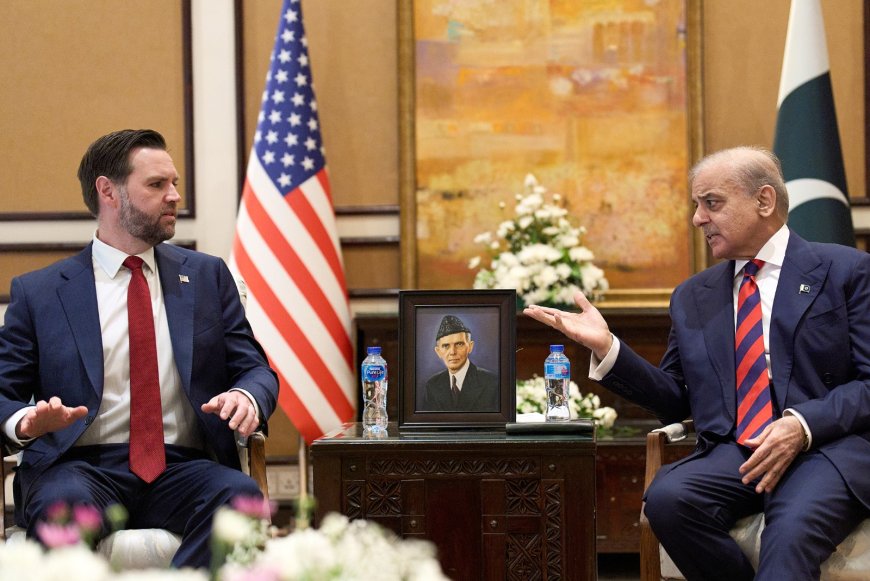
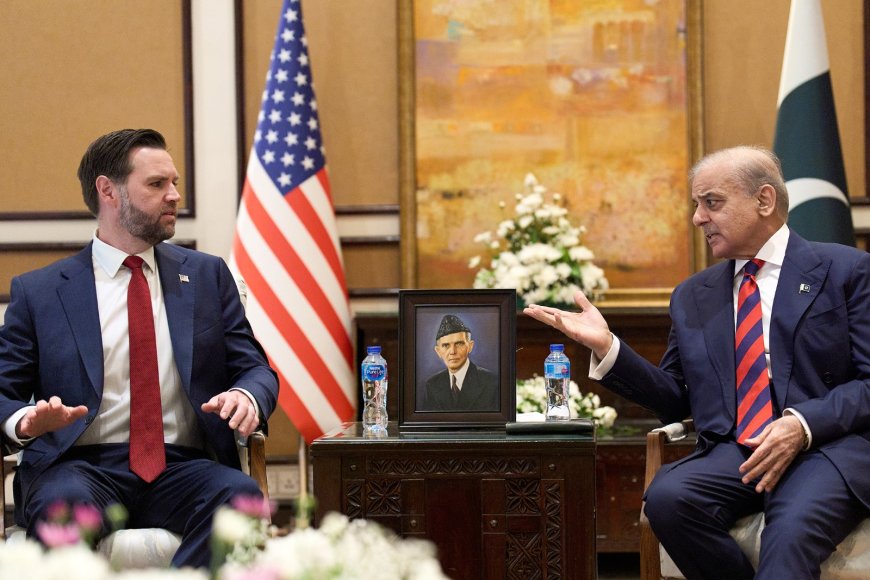
Talks between the United States and Iran aimed at reaching a peace agreement have ended without a breakthrough, following 21 hours of negotiations in Islamabad.

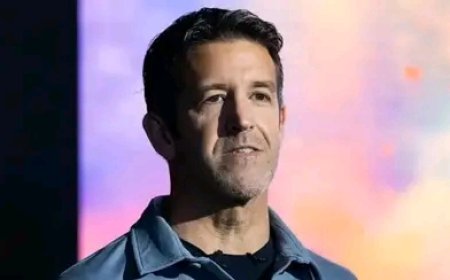
The U.S. delegation, led by Vice President JD Vance, stated that progress was hindered by Iran’s refusal to meet key demands, particularly regarding concerns over weapons of mass destruction.
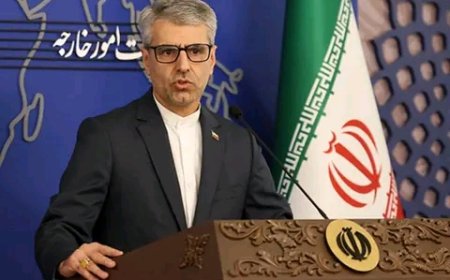
On the Iranian side, the Foreign Ministry pushed back, warning against what it described as excessive demands from Washington. Spokesperson Esmaeil Baghaei said the atmosphere of the talks was marked by mistrust and skepticism, adding that no immediate deal had been expected from the outset.
Pakistan, which hosted the discussions, called on both sides to respect commitments related to de-escalation and to continue pursuing diplomatic efforts toward a lasting peace.
The failed talks come amid a broader conflict involving the United States and Israel against Iran, which began in late February and has since spread across the Middle East. Iran has responded with retaliatory strikes, including against targets in the Gulf region hosting U.S. forces.
The conflict has also triggered global energy concerns after Iran moved to restrict access through the Strait of Hormuz, a critical route through which nearly 20% of the world’s oil and gas supplies pass, raising fears of wider economic disruption.