issa
Rwanda Marks Kwibuka32 as Minister Bizimana Highlights Lessons from the 1994 Genocide Against the Tutsi

Rwanda Marks Kwibuka32 as Minister Bizimana Highlights Lessons from the 1994 Genocide Against the Tutsi

Apr 7, 2026 - 12:54
 0

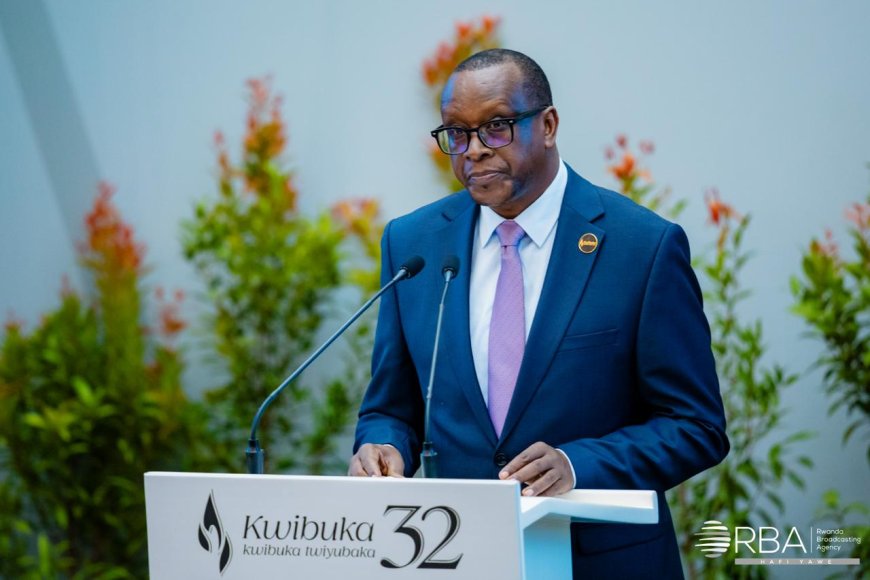
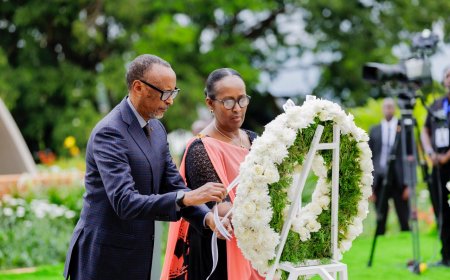
At the Kigali Genocide Memorial, Rwanda officially launched the National Mourning Week and the 100 days of remembrance as part of the 32nd commemoration of the 1994 Genocide against the Tutsi.


April 7 is observed globally as the International Day of Reflection on the Genocide against the Tutsi in Rwanda.

During the event, the Minister of National Unity and Civic Engagement, Dr. Jean-Damascène Bizimana, emphasized that remembrance must serve as a call to action for the international community to uphold its responsibility to prevent genocide, as outlined by the United Nations.

In his address, Dr. Bizimana detailed how the genocide was systematically planned and executed. He pointed to the role of former President Juvénal Habyarimana, stating that the ideology underpinning the genocide originated at the highest levels of leadership.

He noted that as early as 1973, policies promoting ethnic division were introduced, laying the groundwork for future atrocities.

The Minister explained that by the early 1990s, preparations had intensified, including the training and arming of Interahamwe militias in areas such as Gabiro. He cited testimonies and historical accounts indicating that extremist elements openly expressed intentions to exterminate Tutsis.

Dr. Bizimana also highlighted that warnings about the impending genocide were known internationally. Reports, including those from foreign diplomatic missions and military officials, had raised alarms about the risk of mass violence. Despite this, he stressed that the global response was inadequate.

“From 1990 onwards, clear signs of the preparation for genocide were visible but ignored,” he said, adding that propaganda portraying Tutsis as enemies of the state was widely disseminated during that period.

He further referenced findings by a United Nations commission, which concluded that failures within international systems contributed to the inability to prevent the genocide. According to the report, a lack of political will among member states played a critical role in the failure to act decisively.

Dr. Bizimana noted that while some countries including the United States, Belgium, and France have since acknowledged responsibility and expressed regret, the lessons of 1994 must continue to guide global efforts to prevent similar atrocities.

The commemoration serves not only as a time to honor the more than one million victims but also as a reminder of the shared responsibility to stand against division, uphold truth, and ensure that such a tragedy never happens again.

Rwanda Marks Kwibuka32 as Minister Bizimana Highlights Lessons from the 1994 Genocide Against the Tutsi

Apr 7, 2026 - 12:54
Apr 7, 2026 - 14:07
 0
Rwanda Marks Kwibuka32 as Minister Bizimana Highlights Lessons from the 1994 Genocide Against the Tutsi

At the Kigali Genocide Memorial, Rwanda officially launched the National Mourning Week and the 100 days of remembrance as part of the 32nd commemoration of the 1994 Genocide against the Tutsi.


April 7 is observed globally as the International Day of Reflection on the Genocide against the Tutsi in Rwanda.

During the event, the Minister of National Unity and Civic Engagement, Dr. Jean-Damascène Bizimana, emphasized that remembrance must serve as a call to action for the international community to uphold its responsibility to prevent genocide, as outlined by the United Nations.

In his address, Dr. Bizimana detailed how the genocide was systematically planned and executed. He pointed to the role of former President Juvénal Habyarimana, stating that the ideology underpinning the genocide originated at the highest levels of leadership.

He noted that as early as 1973, policies promoting ethnic division were introduced, laying the groundwork for future atrocities.

The Minister explained that by the early 1990s, preparations had intensified, including the training and arming of Interahamwe militias in areas such as Gabiro. He cited testimonies and historical accounts indicating that extremist elements openly expressed intentions to exterminate Tutsis.

Dr. Bizimana also highlighted that warnings about the impending genocide were known internationally. Reports, including those from foreign diplomatic missions and military officials, had raised alarms about the risk of mass violence. Despite this, he stressed that the global response was inadequate.

“From 1990 onwards, clear signs of the preparation for genocide were visible but ignored,” he said, adding that propaganda portraying Tutsis as enemies of the state was widely disseminated during that period.

He further referenced findings by a United Nations commission, which concluded that failures within international systems contributed to the inability to prevent the genocide. According to the report, a lack of political will among member states played a critical role in the failure to act decisively.

Dr. Bizimana noted that while some countries including the United States, Belgium, and France have since acknowledged responsibility and expressed regret, the lessons of 1994 must continue to guide global efforts to prevent similar atrocities.

The commemoration serves not only as a time to honor the more than one million victims but also as a reminder of the shared responsibility to stand against division, uphold truth, and ensure that such a tragedy never happens again.