
issa
PM Dr. Nsengiyumva: “Our economy is strong, but prices will rise” as Rwanda prepares for global shocks

PM Dr. Nsengiyumva: “Our economy is strong, but prices will rise” as Rwanda prepares for global shocks

Apr 3, 2026 - 20:29
 0

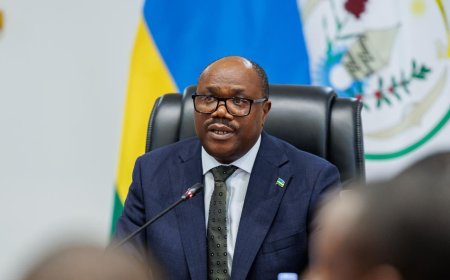
Prime Minister Dr. Justin Nsengiyumva has reassured that Rwanda’s economy remains resilient, even as the government prepares for the ripple effects of rising global tensions, particularly the conflict involving Iran, the United States, and Israel.


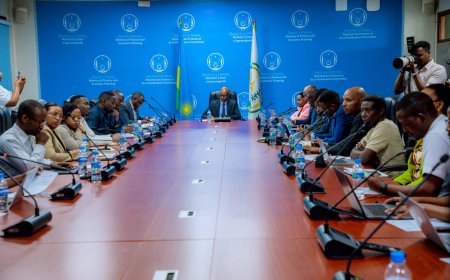
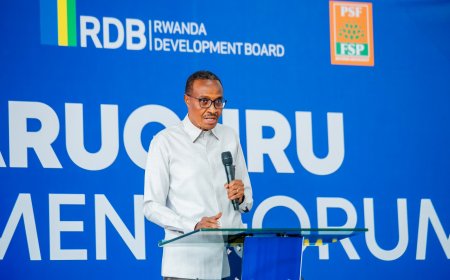
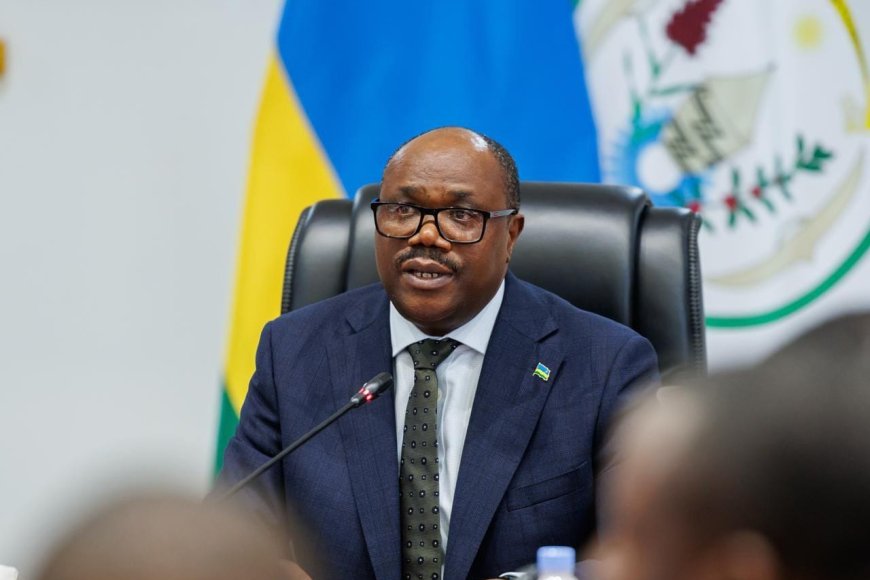
Speaking during a press briefing with journalists, the Prime Minister outlined the country’s current economic performance, the potential impact of the Middle East conflict, and measures being taken to safeguard livelihoods.

He noted that Rwanda’s economy continues to perform strongly, growing by 9.4% in 2025, up from 8.9% in 2024 well above regional and global averages. Growth has been driven by key sectors including services, agriculture, and industry.

“Our economy is in good shape. We see the challenges ahead, but we are prepared. Citizens should not lose hope because we will continue to take the necessary measures,” he said.

However, Nsengiyumva acknowledged that global instability is already affecting markets, particularly energy prices, which are expected to have a direct impact on Rwanda.

“Yes, prices will rise. Not because we want them to, but because the market is already showing that trend,” he stated.

He explained that the price of oil has surged significantly from around $70 per barrel before the escalation to over $100 putting pressure on import costs and local businesses. While the government has introduced subsidies to cushion citizens, he warned that maintaining current prices will not be sustainable.

“The current market price does not allow us to continue selling at the same prices we have today,” he added.

To mitigate these effects, the government has built strategic reserves, with fuel and other essential supplies expected to last for more than six months. Authorities are also promoting alternative energy sources, including household gas and methane gas extraction from Lake Kivu, where a project to generate 185 megawatts of power is planned to come online by 2029.

Nsengiyumva also urged citizens to play their part by using resources wisely, avoiding unnecessary travel, and embracing cost-saving measures during this period of uncertainty.

While acknowledging that the duration of the global conflict remains unclear, he emphasized that Rwanda is taking proactive steps to protect its economy and ensure stability.

“Reserves are sufficient, but we do not know how long the conflict will last. We must start thinking carefully about how we manage what we have,” he said.

The Prime Minister concluded by stressing that Rwanda’s strategy remains focused on resilience, preparedness, and collective responsibility in navigating external economic pressures.

PM Dr. Nsengiyumva: “Our economy is strong, but prices will rise” as Rwanda prepares for global shocks

Apr 3, 2026 - 20:29
 0
PM Dr. Nsengiyumva: “Our economy is strong, but prices will rise” as Rwanda prepares for global shocks

Prime Minister Dr. Justin Nsengiyumva has reassured that Rwanda’s economy remains resilient, even as the government prepares for the ripple effects of rising global tensions, particularly the conflict involving Iran, the United States, and Israel.


Speaking during a press briefing with journalists, the Prime Minister outlined the country’s current economic performance, the potential impact of the Middle East conflict, and measures being taken to safeguard livelihoods.

He noted that Rwanda’s economy continues to perform strongly, growing by 9.4% in 2025, up from 8.9% in 2024 well above regional and global averages. Growth has been driven by key sectors including services, agriculture, and industry.

“Our economy is in good shape. We see the challenges ahead, but we are prepared. Citizens should not lose hope because we will continue to take the necessary measures,” he said.

However, Nsengiyumva acknowledged that global instability is already affecting markets, particularly energy prices, which are expected to have a direct impact on Rwanda.

“Yes, prices will rise. Not because we want them to, but because the market is already showing that trend,” he stated.

He explained that the price of oil has surged significantly from around $70 per barrel before the escalation to over $100 putting pressure on import costs and local businesses. While the government has introduced subsidies to cushion citizens, he warned that maintaining current prices will not be sustainable.

“The current market price does not allow us to continue selling at the same prices we have today,” he added.

To mitigate these effects, the government has built strategic reserves, with fuel and other essential supplies expected to last for more than six months. Authorities are also promoting alternative energy sources, including household gas and methane gas extraction from Lake Kivu, where a project to generate 185 megawatts of power is planned to come online by 2029.

Nsengiyumva also urged citizens to play their part by using resources wisely, avoiding unnecessary travel, and embracing cost-saving measures during this period of uncertainty.

While acknowledging that the duration of the global conflict remains unclear, he emphasized that Rwanda is taking proactive steps to protect its economy and ensure stability.

“Reserves are sufficient, but we do not know how long the conflict will last. We must start thinking carefully about how we manage what we have,” he said.

The Prime Minister concluded by stressing that Rwanda’s strategy remains focused on resilience, preparedness, and collective responsibility in navigating external economic pressures.