 Kinyarwanda
 English
 Swahili





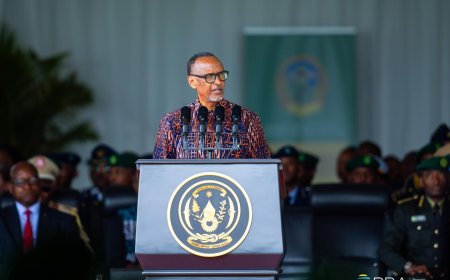






































Trump consents to prolong EU trade negotiations following a 50% tariff threat
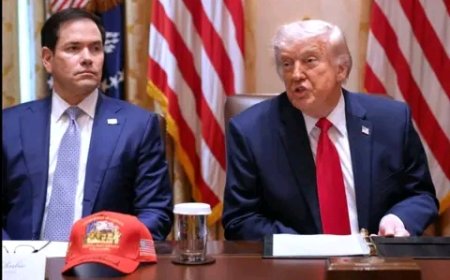
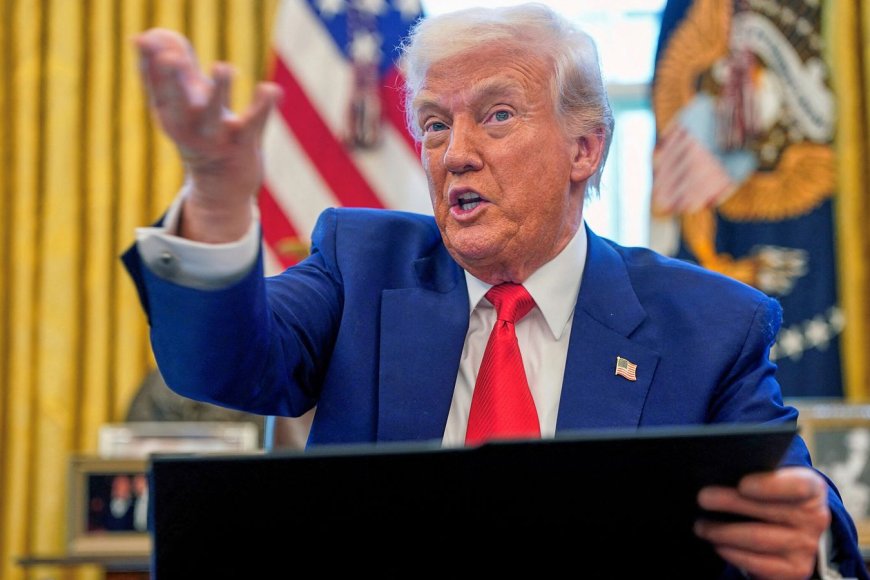
President Donald Trump of the United States has consented to a more than one-month extension of the deadline for tariff negotiations with the European Union.

He first proposed a 20% import tax, or duty, on the majority of EU goods last month, but he later lowered this to 10% to give time for talks. Trump said he was frustrated with the speed of the negotiations on Friday and threatened to increase the tariff rate to 50% as soon as June 1st.
Following a "very nice" phone conversation with European Commission leader Ursula von der Leyen, he announced via social media on Sunday that he was rescheduling his deadline to July 9.
Von der Leyen stated that the bloc was "ready to advance talks swiftly and decisively," echoing Trump's evaluation of the call.
But, in her own online post, von der Leyen wrote: "To reach a good deal, we would need the time until July 9."
Trump's acceptance of that date means the deadline is close to what it was previously. Before threatening the 50% rate, Trump had set a deadline of 8 July for both sides to talk.
Trump has long criticised what he views as an unfair US trading relationship with the EU, despite the bloc being one of Washington's largest trading partners. Last year, the EU exported more than $600bn (€528bn; £443bn) in goods to the US while importing $370bn worth, according to US government data.
More broadly, the US president has defended his wide-ranging programme of tariffs by arguing they will boost American manufacturing and protect jobs.
But his planned import taxes have thrown the world economy into chaos, and many economist say they will make products more expensive for US consumers. Tariffs are taxes charged on goods bought from other countries, paid by the companies that that bring foreign goods into the US.
In the case of the EU, the president has raised concerns on trade in cars and agricultural goods. Although some tariffs were paused earlier this year to allow for negotiations, a 25% levy on EU steel and aluminium remains in place.
It was while speaking to reporters at the White House on Friday afternoon - hours before talks with the bloc - that Trump said he planned to raise tariffs on all goods sent to the US from the EU to 50% by 1 June.
He expressed impatience with the ongoing negotiations.
Later the same day, the EU's trade chief Maros Sefcovic reaffirmed the bloc's commitment to securing a fair deal.
Following a call with US Trade Representative Jamieson Greer and US Commerce Secretary Howard Lutnick, Sefcovic said: "The EU's fully engaged, committed to securing a deal that works for both."
He continued: "EU-US trade is unmatched and must be guided by mutual respect, not threats. We stand ready to defend our interests."
The EU has threatened - and paused - its own measures against the US.
It previously said it would introduce a 25% tariff on €18bn worth of US goods coming into Europe but this was put on hold.
The bloc is also currently consulting on additional measures against US imports into the US valued at €95bn.
At the same time, European leaders continue to warn against escalation. France and Germany have called for a diplomatic solution, stressing that tariffs would harm both economies.
Tags: