
 Kinyarwanda
 English
 Swahili





















































Middle East tensions spark anxiety for Kenyan workers and threaten remittance flows
Escalating hostilities in the Middle East have raised safety concerns for over 400,000 Kenyans working in the Gulf, disrupting travel and employment. The crisis also threatens remittance flows, trade stability, and fuel prices, posing broader economic risks for Kenya.

For many Kenyans, the Middle East has long been regarded as a land of opportunity, offering stronger employment prospects and comparatively higher wages.
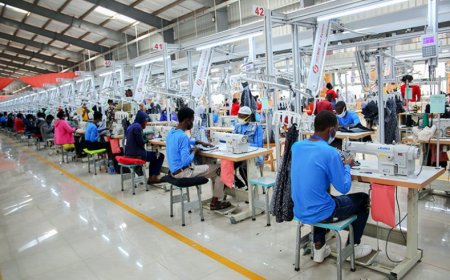
Countries such as Saudi Arabia, the United Arab Emirates, Qatar, and Kuwait host a significant Kenyan diaspora employed in healthcare, hospitality, construction, and domestic services.
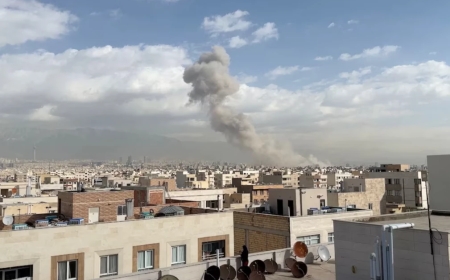
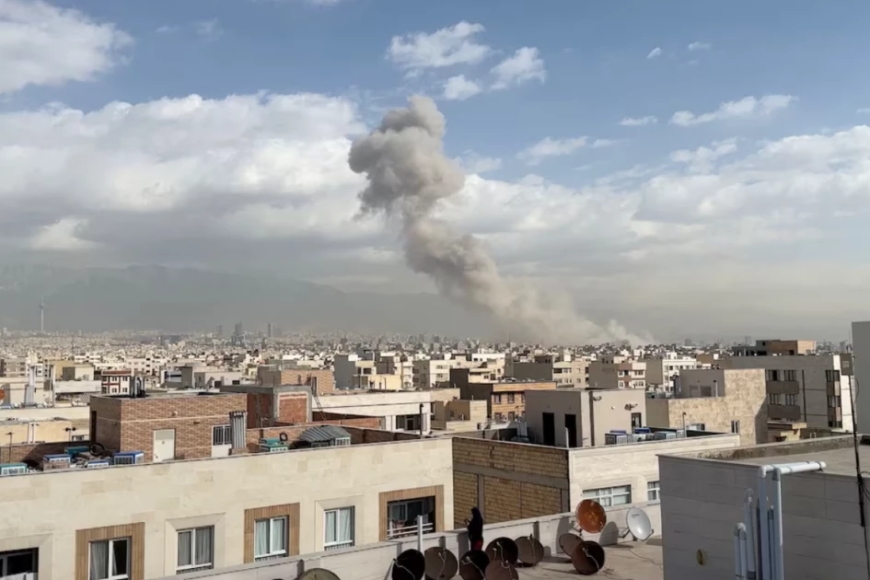
However, the recent escalation of hostilities triggered by joint US–Israel strikes on Iran and retaliatory attacks across parts of the Gulf has intensified anxiety among Kenyan workers in the region and raised broader economic concerns at home.
Kenyan authorities have issued travel and security advisories urging citizens living in or transiting through the Middle East to remain vigilant amid rapidly evolving security developments.
The Ministry of Foreign and Diaspora Affairs, together with Prime Cabinet Secretary Musalia Mudavadi, has cautioned that the fluid security environment could affect cities and regions where large numbers of Kenyans reside particularly in Qatar, the UAE, and Saudi Arabia, where more than 400,000 Kenyans are estimated to live and work.
Kenyans in the region have been advised to register with their nearest embassy or consulate, keep their contact details updated, avoid non-essential movement, and rely strictly on official communication channels for credible updates.
Some Gulf governments have temporarily closed airspace and imposed movement restrictions in certain areas following military alerts, disrupting travel and work arrangements for expatriates.
Although there are no confirmed reports of Kenyan casualties, families back home remain deeply concerned. Many households depend heavily on remittances from relatives abroad to meet daily expenses, pay school fees, cover healthcare costs, and build savings.
The escalation has already disrupted international travel. Major carriers, including Kenya Airways, have either suspended or adjusted flights to Gulf destinations due to safety concerns and airspace closures.
These disruptions complicate contract renewals and visa processing, interrupt seasonal labour mobility, and create uncertainty for workers who depend on regular travel between Kenya and the Gulf.
For employees in sectors such as domestic work and construction roles that cannot be performed remotely restrictions on movement and operational uncertainty directly threaten job stability and income continuity. Any slowdown in remittance flows places immediate financial strain on dependent families in Kenya.
The implications extend beyond individual workers. Kenya maintains substantial trade and financial linkages with Gulf states.
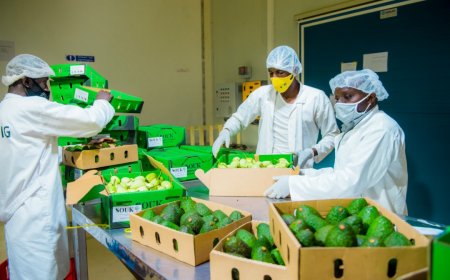
Recent estimates place annual trade between Kenya and Gulf countries at approximately KSh 700 billion, encompassing agricultural exports, energy imports, machinery, and consumer goods.
Escalating tensions, particularly around strategic maritime routes such as the Strait of Hormuz, risk disrupting supply chains while increasing shipping and insurance costs.
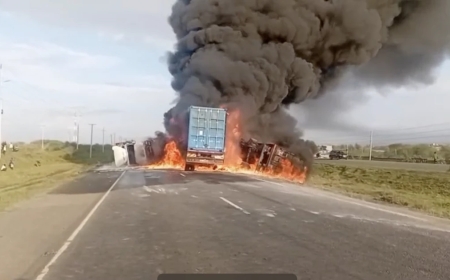
Given Kenya’s heavy reliance on imported refined petroleum products, any spike in global oil prices or supply disruptions could trigger higher local fuel prices, raise transportation and food costs, increase manufacturing expenses, and intensify inflationary pressures.
Rising import costs would add strain to household budgets and business operations, potentially dampening economic growth.
Remittances from Kenyans abroad remain one of the country’s most important sources of foreign exchange. They support household consumption, finance education and healthcare, help stabilise the Kenyan shilling, and strengthen foreign exchange reserves.
A prolonged conflict could weaken these inflows through job losses, contract disruptions, or reduced labour deployment in the Gulf. Economists warn that sustained instability may exert pressure on Kenya’s reserves and heighten vulnerability to external economic shocks in 2026 and beyond.
The government continues to monitor developments closely and provide guidance to citizens abroad. As diplomatic efforts intensify to prevent further escalation, Kenyan workers and their families remain hopeful that stability will return, allowing employment conditions and remittance flows to normalise.
The unfolding crisis underscores the extent to which global security dynamics, labour migration, and national economic stability are tightly interconnected in an increasingly globalised world.
Tags: