 Kinyarwanda
 English
 Swahili
















Launch of seventh phase of unity and resilience training for Inmates held in Nyamagabe

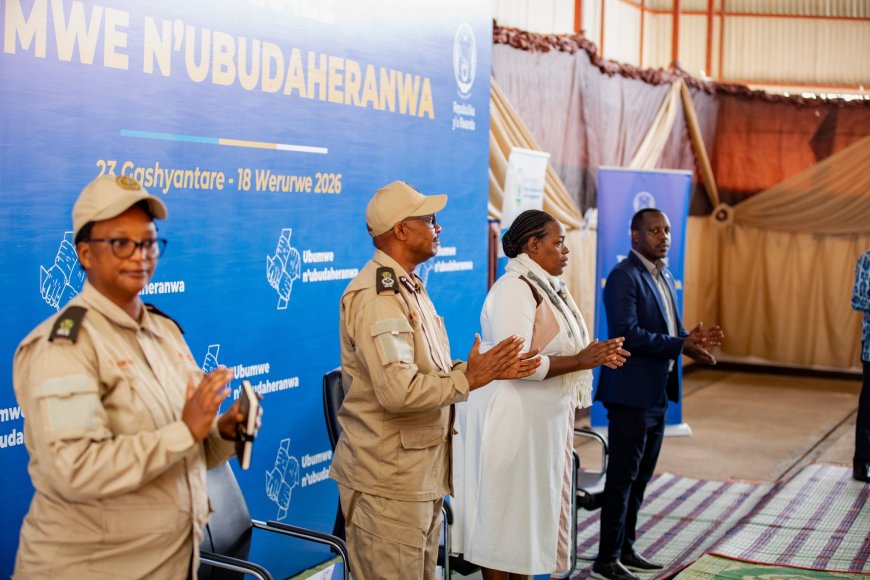
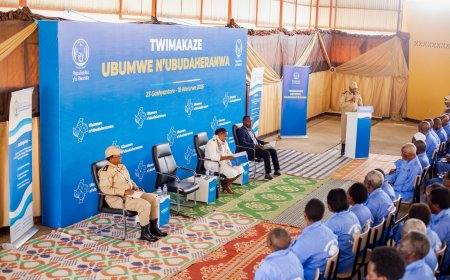
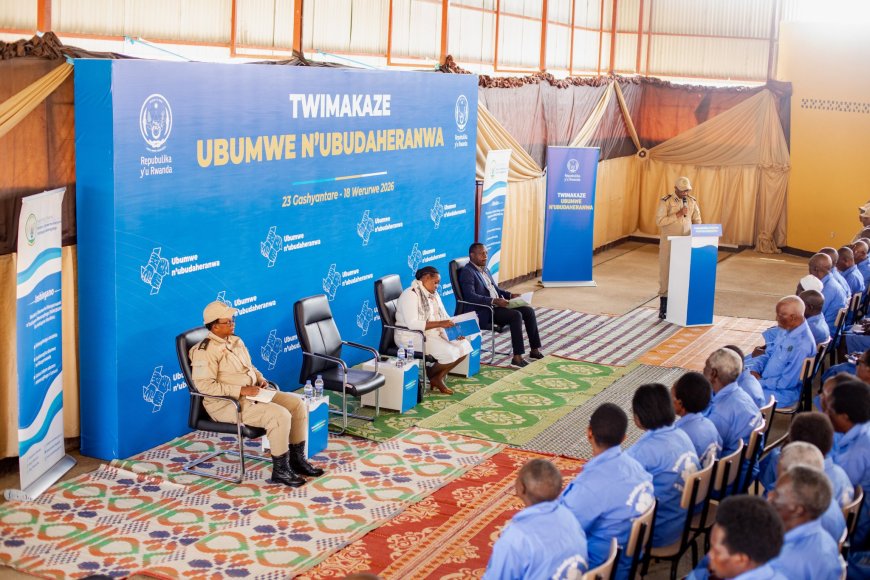
The Ministry of National Unity and Civic Engagement and Rwanda Correctional Service have officially launched the seventh phase of a national training program on unity and resilience for inmates convicted of crimes related to the 1994 Genocide against the Tutsi who are preparing to complete their sentences.

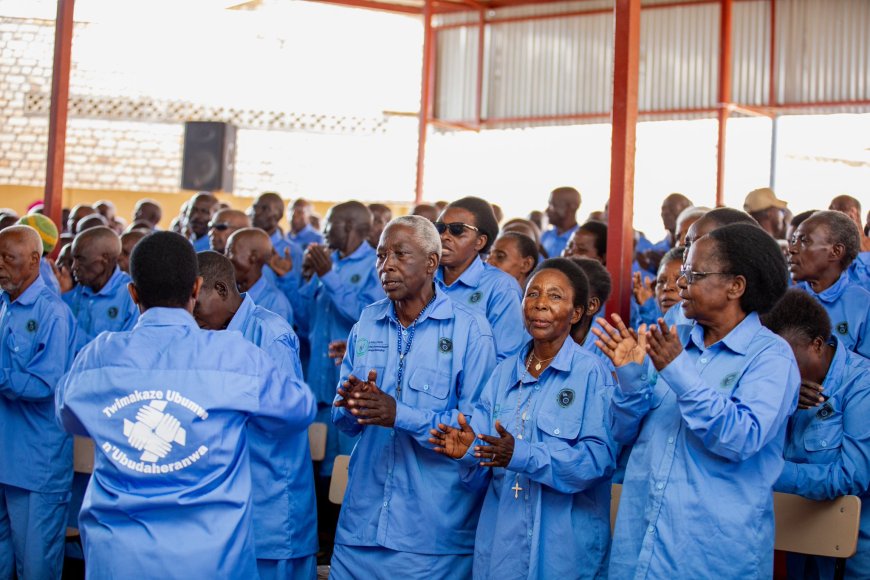
The program, taking place at Nyamagabe Correctional Facility, brings together 266 inmates including 101 women and 165 men selected from correctional institutions across Rwanda. It is scheduled to run until March 18, 2026.
The training is designed to help participants reintegrate into society responsibly while strengthening national values of unity, reconciliation, and resilience. Organizers say the initiative aims to ensure that those completing their sentences do not contribute to actions that could undermine the country’s progress in rebuilding social cohesion.
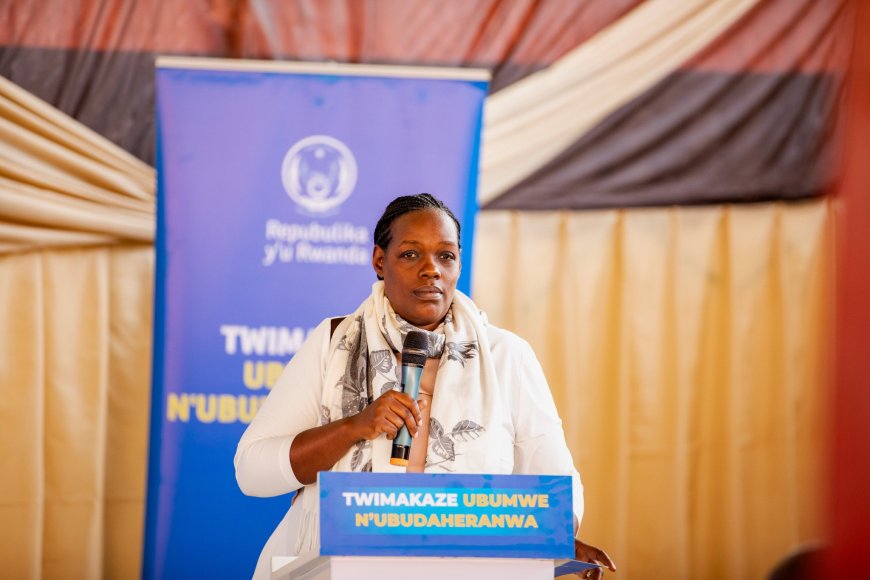
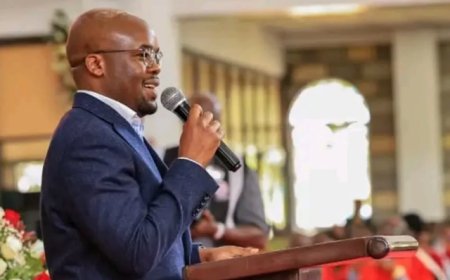
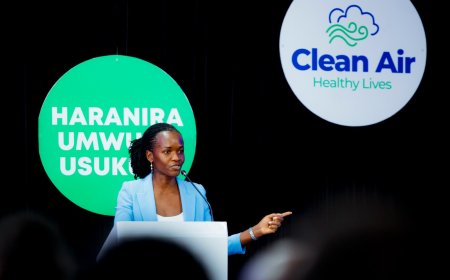
Speaking at the launch, Alice Kayumba, Executive Director in charge of national unity and community resilience in the Ministry of National Unity and Civic Engagement urged participants to pay close attention to the lessons provided, noting they will help them understand their role in fostering peaceful coexistence, rejecting discrimination and division, and preventing genocide ideology.
She emphasized that the sessions will also deepen participants’ understanding of Rwanda’s history, the consequences of the genocide on victims, families, and the nation, and their future responsibility in contributing to development.
Participants were encouraged to prepare for life after release by embracing Rwandan identity, rebuilding trust with their families, neighbors, and survivors, and adapting to social changes including gender equality in decision-making within households.
They were also urged to avoid reoffending, particularly crimes linked to divisionism or genocide ideology, and to raise younger generations in a spirit of truth, tolerance, and unity.
Officials say the broader goal of the program is to support safe reintegration while reinforcing national stability and reconciliation gains achieved over the past decades.