
issa
DRC president faces scrutiny after conflicting remarks on M23 invitation to Kinshasa

DRC president faces scrutiny after conflicting remarks on M23 invitation to Kinshasa

Feb 20, 2026 - 15:04
 0

Conflicting statements by the president regarding who invited the M23 to Kinshasa have sparked debate over accountability and clarity at the highest level of government. After initially claiming personal responsibility, he later suggested the invitation may have come from his former Interior Minister or occurred without his knowledge. The remarks have raised concerns about consistency, transparency and institutional credibility.


Conflicting remarks by the president regarding the circumstances under which the M23 was invited to Kinshasa have sparked debate over consistency and accountability at the highest level of government.

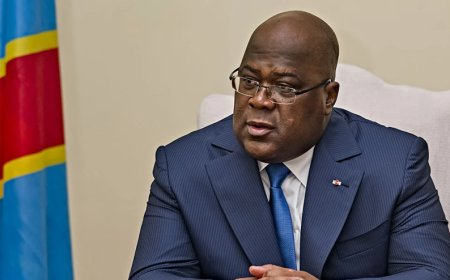
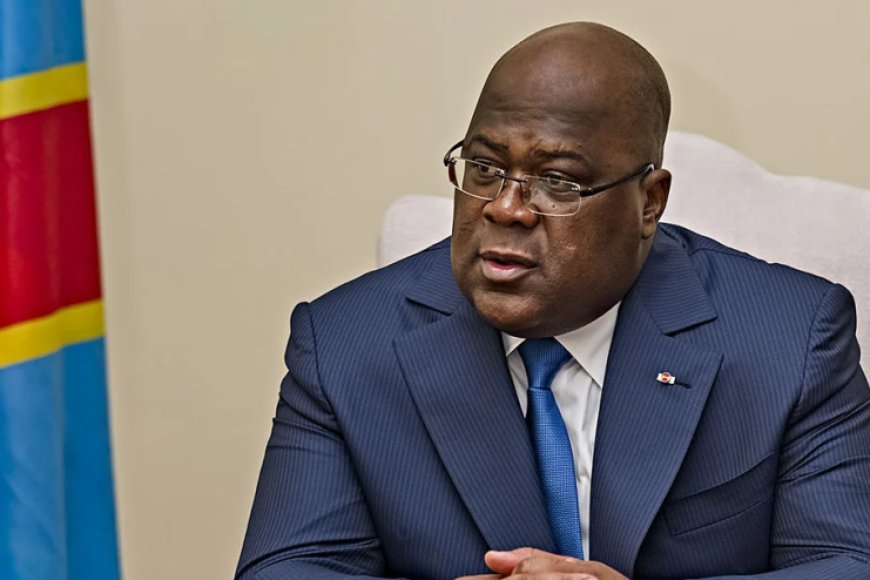
Speaking before national television cameras, the head of state initially stated that the group had been invited to the capital on his personal initiative. However, moments later, he appeared to suggest that the invitation may have been issued by his then Interior Minister, Gilbert Kankonde. He further indicated that the group might even have arrived without his direct knowledge.

The shifting explanations have raised questions among political observers and sections of the public about the clarity of the government’s position on a matter considered highly sensitive.

In most political systems, presidential statements are viewed as authoritative and carefully calibrated. They are expected to reflect established facts and official policy. When such statements appear internally inconsistent, they can create uncertainty over decision-making processes and lines of responsibility.

Analysts note that leadership communication plays a crucial role in maintaining institutional credibility. Clear and consistent messaging is often regarded as essential for sustaining public confidence, particularly on issues relating to national security or armed groups.

The episode has also renewed broader discussions about accountability within the executive branch. If an invitation was formally extended, observers say, it would typically follow established procedures. If it was not, questions remain about how and why the situation unfolded as described.

While the presidency has not issued a detailed clarification following the remarks, the contrasting statements continue to circulate widely on social media and in political discourse.

For many citizens, the issue extends beyond the specific event. It touches on the importance of coherence in public communication and the expectation that senior officials speak with precision when addressing matters of state.

Whether the comments were the result of misstatement or evolving explanation, the incident underscores the scrutiny placed on presidential words  and the weight they carry in shaping public perception.


Layla kamanzi Layla Kamanzi is a passionate journalist and creative writer with a keen eye for impactful storytelling. As a Journalism and Mass Communication student at Mount Kenya University, she is dedicated to using words as a tool to inform, inspire, and amplify the voices of everyday people. Driven by curiosity and a love for truth, Layla explores stories that shape communities and spark meaningful conversations. She enjoys blending facts with compelling narratives to create content that educates, empowers, and connects audiences across East Africa and beyond.

DRC president faces scrutiny after conflicting remarks on M23 invitation to Kinshasa

Feb 20, 2026 - 15:04
 0
DRC president faces scrutiny after conflicting remarks on M23 invitation to Kinshasa

Conflicting statements by the president regarding who invited the M23 to Kinshasa have sparked debate over accountability and clarity at the highest level of government. After initially claiming personal responsibility, he later suggested the invitation may have come from his former Interior Minister or occurred without his knowledge. The remarks have raised concerns about consistency, transparency and institutional credibility.


Conflicting remarks by the president regarding the circumstances under which the M23 was invited to Kinshasa have sparked debate over consistency and accountability at the highest level of government.

Speaking before national television cameras, the head of state initially stated that the group had been invited to the capital on his personal initiative. However, moments later, he appeared to suggest that the invitation may have been issued by his then Interior Minister, Gilbert Kankonde. He further indicated that the group might even have arrived without his direct knowledge.

The shifting explanations have raised questions among political observers and sections of the public about the clarity of the government’s position on a matter considered highly sensitive.

In most political systems, presidential statements are viewed as authoritative and carefully calibrated. They are expected to reflect established facts and official policy. When such statements appear internally inconsistent, they can create uncertainty over decision-making processes and lines of responsibility.

Analysts note that leadership communication plays a crucial role in maintaining institutional credibility. Clear and consistent messaging is often regarded as essential for sustaining public confidence, particularly on issues relating to national security or armed groups.

The episode has also renewed broader discussions about accountability within the executive branch. If an invitation was formally extended, observers say, it would typically follow established procedures. If it was not, questions remain about how and why the situation unfolded as described.

While the presidency has not issued a detailed clarification following the remarks, the contrasting statements continue to circulate widely on social media and in political discourse.

For many citizens, the issue extends beyond the specific event. It touches on the importance of coherence in public communication and the expectation that senior officials speak with precision when addressing matters of state.

Whether the comments were the result of misstatement or evolving explanation, the incident underscores the scrutiny placed on presidential words  and the weight they carry in shaping public perception.