 Kinyarwanda
 English
 Swahili







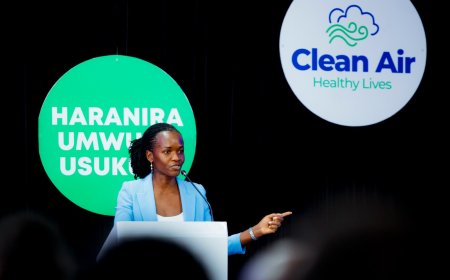


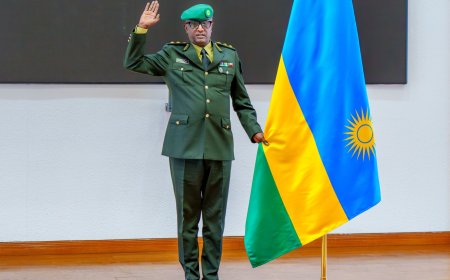
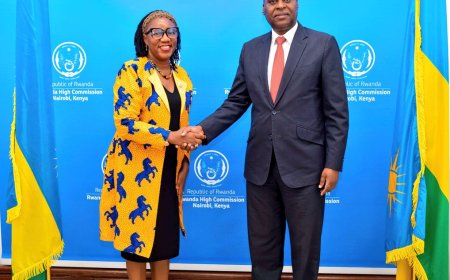
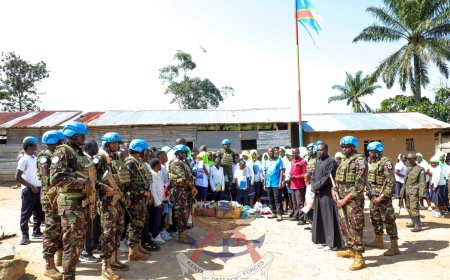













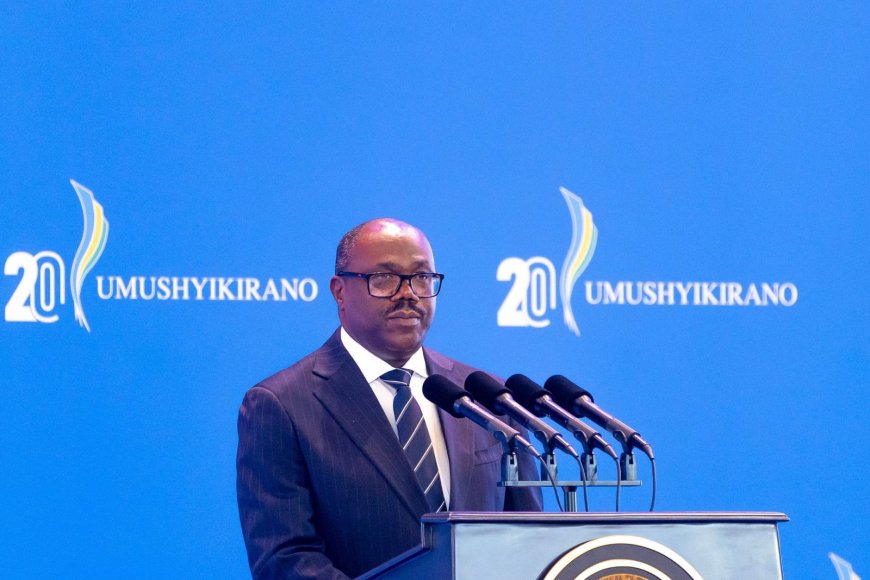
Prime Minister Nsengiyumva highlights Rwanda's economic growth and future plans for development

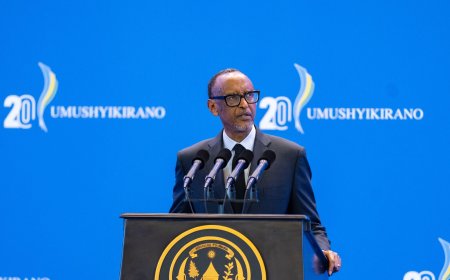
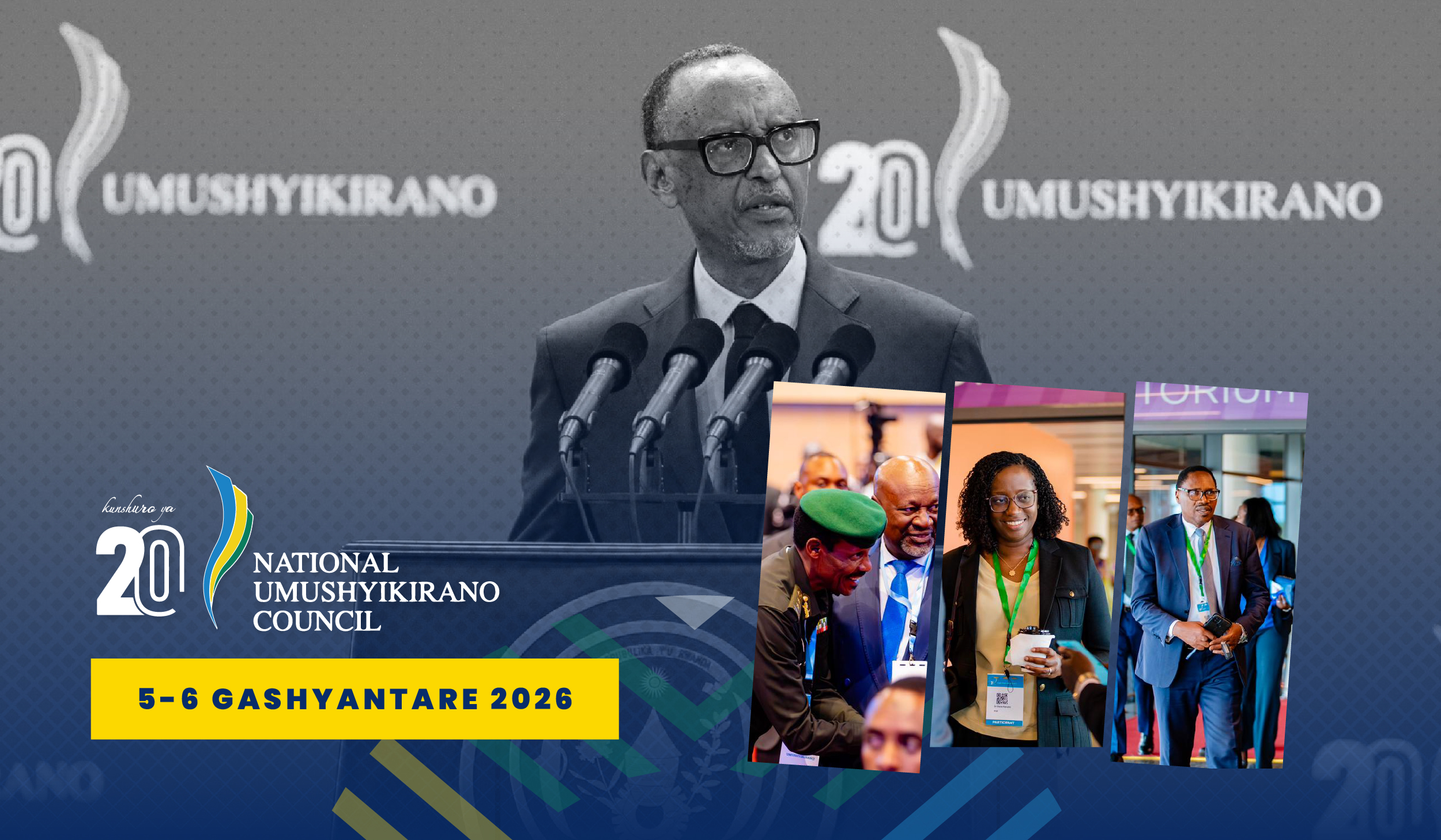
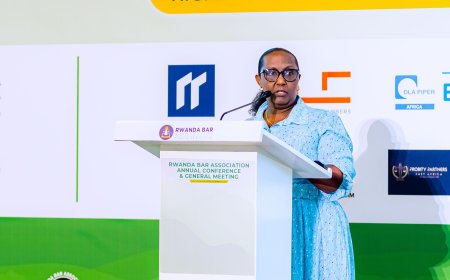
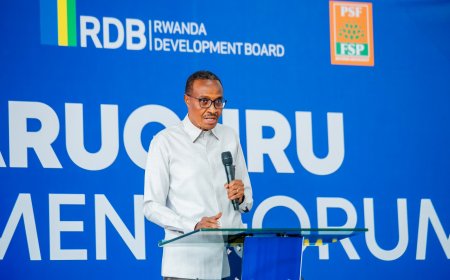
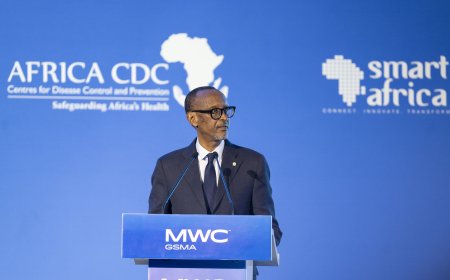
The Prime Minister of Rwanda, Dr. Justin Nsengiyumva, delivered a comprehensive address at the 20th National Umushyikirano Council held at the Kigali Convention Centre. The event gathered key government officials, leaders from various sectors, and invited guests, underscoring the continued commitment to the nation's development goals.

In his speech, Dr. Nsengiyumva first extended gratitude to President Paul Kagame for his leadership and strategic direction, noting the progress made in the country's development over the past few years. He emphasized the crucial role of the National Dialogue in shaping Rwanda's policies and fostering collaboration between the government and citizens.
Dr. Nsengiyumva began by discussing Rwanda’s impressive economic growth, highlighting the rise in GDP from 8.2% in 2023 to 8.9% in 2024, surpassing the initial projections. He explained that this growth was driven by key sectors such as agriculture, industry, and services. Agriculture alone had seen a rise of 7% in 2025, contributing significantly to the nation's prosperity.
The Prime Minister also provided a snapshot of the nation’s fiscal health, noting that Rwanda's export value had surged by 62.8%, from $3.5 billion in 2023/2024 to $5.7 billion in 2024/2025. This growth in exports underscores the country's increasing competitiveness on the global stage.
“Rwanda's economic trajectory is promising, and we are on the right path toward meeting our Vision 2050 goals," Dr. Nsengiyumva remarked. "The progress we are making in key areas gives us the confidence to continue pursuing sustainable growth and improving the quality of life for all Rwandans.”
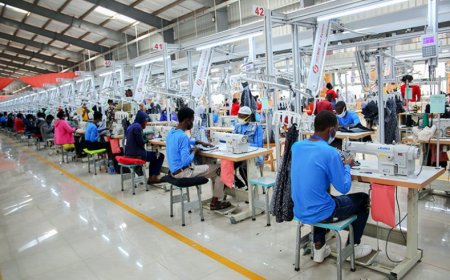
Another key point in the Prime Minister’s speech was the government’s commitment to job creation. By the end of 2025, Rwanda had surpassed its annual target of creating 250,000 jobs, reaching a total of over 800,000 jobs. This included significant employment opportunities for youth and women, with 93% of the new jobs being non-agriculture-based.
Rwanda’s National Strategy for Transformation (NST2), a five-year plan to drive economic growth and reduce poverty, continues to be a central framework for these efforts. The Prime Minister noted that the country is also working hard to ensure that the jobs created are of high quality, offering fair wages and opportunities for skills development.
The Prime Minister emphasized agriculture’s central role in Rwanda's economy. With a focus on increasing food security and agricultural output, the government has been implementing programs to expand irrigation, improve the use of fertilizers, and boost livestock productivity. These efforts are part of a broader strategy to increase productivity on farms and make Rwanda self-sufficient in food production.

In 2024, fertilizer use per hectare increased significantly to 74 kilograms, up from 32 kilograms per hectare in 2017. However, the Prime Minister acknowledged that while progress is being made, there remains much to be done. “Our goal is to reach 94.6 kilograms per hectare by 2029,” he stated.
Dr. Nsengiyumva also addressed climate change and its impact on agriculture. He announced that the government is expanding land irrigation systems, with the total irrigated area set to grow to 130,000 hectares by 2029.
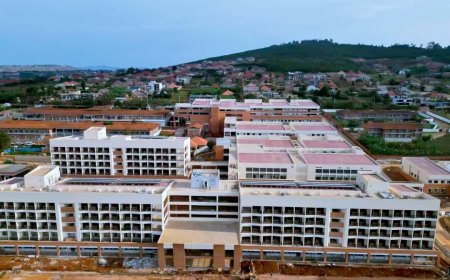
Another cornerstone of Rwanda's development, according to Dr. Nsengiyumva, is the continued investment in infrastructure. This includes efforts to expand access to electricity, which now covers 82.9% of households, and the government’s ongoing commitment to expand road networks that support economic activity and trade.
The Prime Minister also mentioned several large-scale infrastructure projects, such as the Nyabarongo II hydroelectric plant and the Gishoma power station, which are expected to further increase the country’s energy capacity.
“By investing in infrastructure, we are not only building the foundation for long-term growth but also improving the daily lives of our citizens," he said.
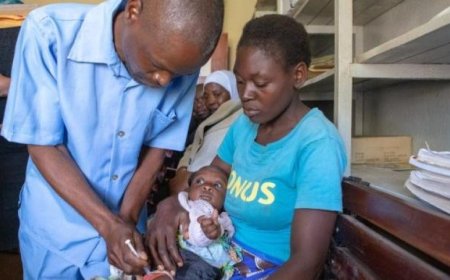
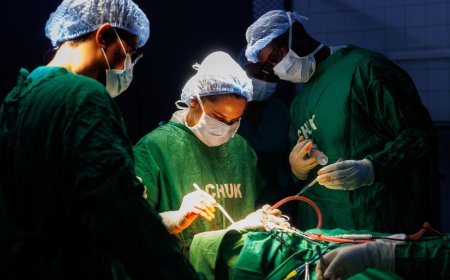
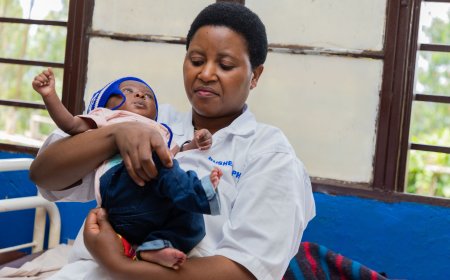
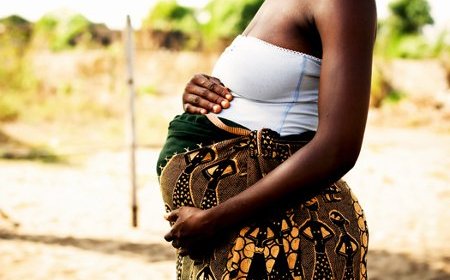
The Prime Minister also touched on Rwanda’s significant progress in health and education. In the health sector, maternal mortality has decreased, with deaths during childbirth dropping from 105 per 100,000 live births in 2023 to 97.7 in 2025. Child mortality has also seen a decline, with the number of children under five who die decreasing from 45 per 1,000 live births to 39.4.
In education, Dr. Nsengiyumva highlighted the expansion of vocational training institutions and the government’s ongoing efforts to align the curriculum with the demands of the labor market. He also acknowledged the importance of technology and innovation in Rwanda’s educational reform.
Looking forward, Dr. Nsengiyumva reaffirmed Rwanda’s commitment to its 2050 Vision, which aims to transform the country into a knowledge-based economy. He stressed the importance of sustaining growth in all sectors, from agriculture and industry to services and infrastructure, while ensuring that all Rwandans benefit from this development.
He also made a call to action, urging every Rwandan to contribute to the national effort. "We must embrace a new mindset of productivity," he said. "We can no longer afford to work less when the world is working more. Our country’s future depends on each of us giving our best every day."
In conclusion, Prime Minister Dr. Justin Nsengiyumva reiterated that while Rwanda has made impressive strides, there is still much work to be done to reach the ambitious goals set for 2050. With continued dedication, collaboration, and hard work, he believes Rwanda is poised to achieve its vision of sustainable and inclusive development.