 Kinyarwanda
 English
 Swahili

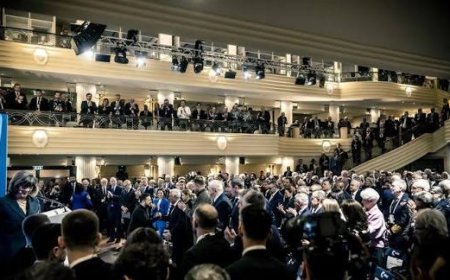











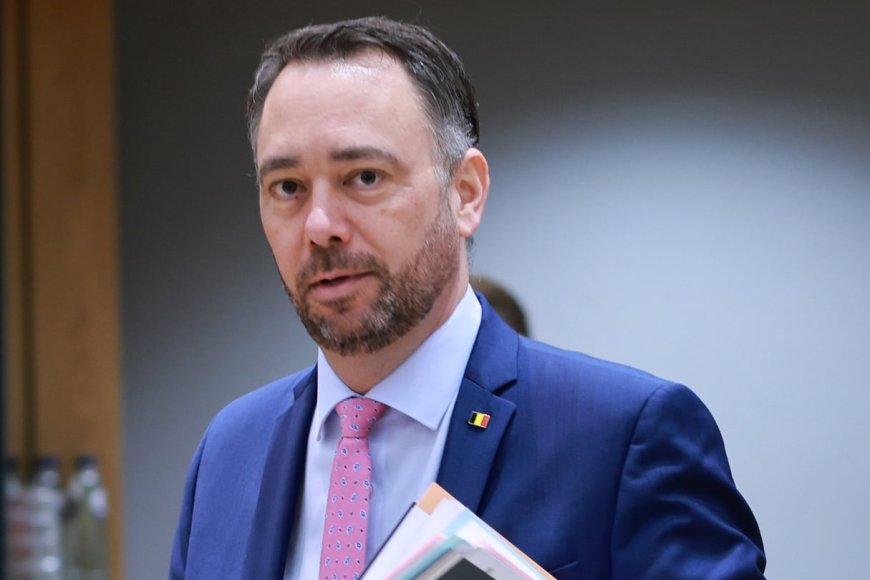
Belgian Foreign Minister: “Sanctions Are Not the Miracle Cure” for Eastern DRC Crisis

Six months after Rwanda severed diplomatic ties with Belgium, Brussels is cautiously signaling openness to renewed dialogue.

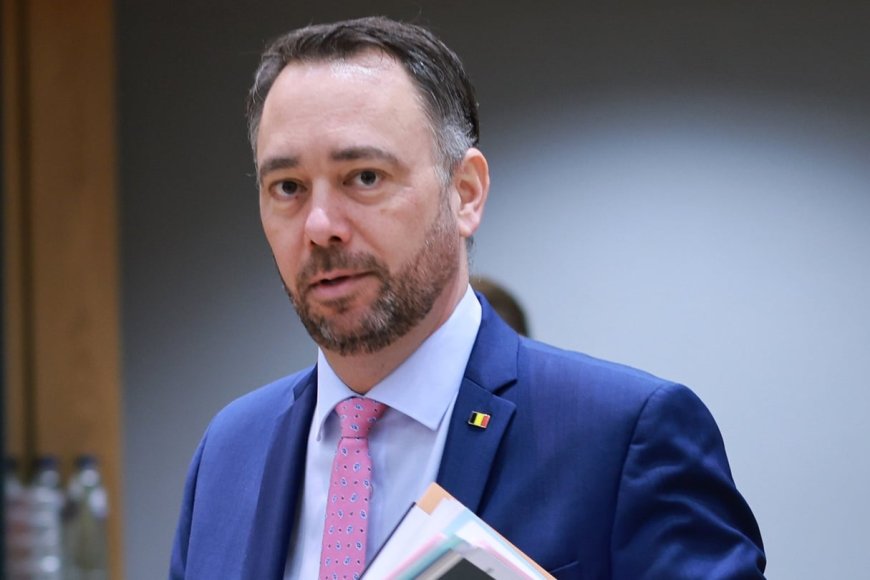
In an interview with Jeune Afrique on September 16, Belgian Foreign Minister Maxime Prévot stressed that while the European Union (EU) sanctions regime remains an instrument of pressure, it cannot by itself resolve the complex conflict in eastern Democratic Republic of Congo (DRC).
On March 17, Kigali announced the break in relations with Brussels after accusing Belgium of siding with Kinshasa. The decision came just as the EU was preparing to sanction leaders of the M23 rebellion along with senior officers of the Rwandan Defence Forces (RDF), a move Rwanda strongly rejected.
Speaking to Jeune Afrique, Prévot argued for a broader approach to peace efforts. “In the east of the DRC, sanctions are not the miracle cure,” he said, noting that Belgium is committed to supporting regional diplomacy and humanitarian assistance, while also backing accountability measures against those fueling violence.
The Belgian minister did not confirm whether contacts have been reestablished with Kigali, but his remarks suggest that Brussels does not see the freeze as irreversible. Instead, he called for “realistic engagement” that prioritizes the security of civilians, regional stability, and respect for international law.
Prévot’s intervention comes at a delicate moment: fighting between the Congolese army and M23 rebels continues to displace thousands, while relations between Rwanda and its European partners remain strained. Observers say the Belgian minister’s tone may mark a first step toward easing the diplomatic standoff.